Treatments


Ectropion

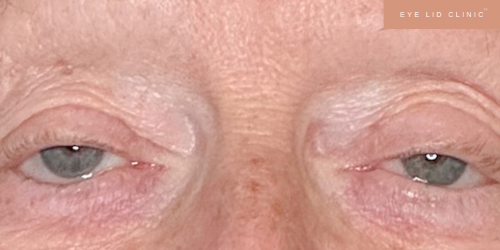
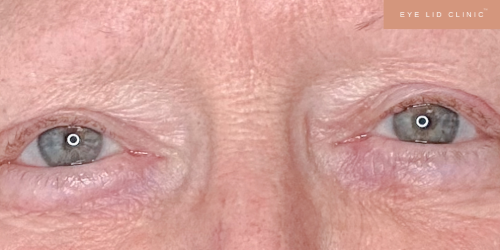
Ectropion is an outward turning of the eyelid margin causing the eye to become dry and irritated or watery. Correction involves surgery to improve the eyelid position.
Entropion

Entropion is an in-turning of the eyelid, causing friction and potential corneal damage. Correction involves surgery to correct the eyelid position.
Eyelid Lumps

Most bumps on the eyelid are styes. A stye is an inflamed oil gland on the edge of your eyelid, where the eyelash meets the lid. Surgery or laser can be used to remove the lesion.
Watery eye

Watery eyes can have multiple causes including a blocked tear duct or dry eye. Sometimes surgery is required to unblock the tear drainage system (DCR).
Cataract

Cataract is caused by the natural lens inside the eye becoming cloudy. Surgery is required to replace the old lens with a new artificial one. The new lens can mean glasses are no longer required or astigatism is reduced.
Dry eye

Dry eye causes multiple symptoms such as tired, aching, itchy, or watery eyes. A thorough examination and detailed history are essential. Treatment depends on the underlying cause and can include eye drops or punctal plugs.