
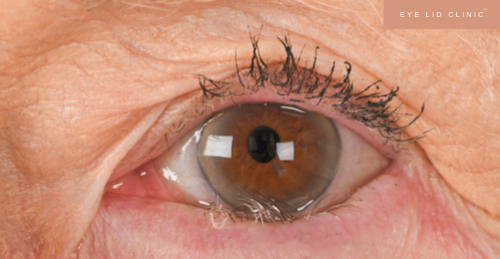
Entropion Surgery
- Definition:
- Eyelid turns inward, causing friction and potential corneal damage.
Types
- Involutional: Age-related changes..
- Acute Spastic: Muscle spasms or irritation.
- Cicatricial: Scarring on the eyelid's inner surface.
- Congenital: Present since birth, rare.use.
Causes
- Age-related changes
- Excessive squeezing or rubbing
- Eye infections
- Ocular trauma
- Epiblepharon
- Autoimmune conditions
- Developmental anomalies
Signs
-
- Foreign body sensation
- Redness
- Irritation or soreness
- Watery eyes
- Epiblepharon
- Crusting
- Mucous discharge
Symptoms
- Blurred vision, light sensitivity, worsening redness, eye pain.
Diagnosis
- Comprehensive eye exam by ophthalmologist including visual acuity,
slit-lamp, corneal, eye pressure, and tear film tests.
Treatment
- May involve conservative measures or surgery depending on
severity and type. - Entropion surgery permanently corrects the abnormally in-turned eyelid position.
Before the Procedure:
- Discuss medications with your doctor; some may need to be stopped.
- Notify specialists of any specific medications and follow their instructions on eating
or drinking.
During the Procedure
- Involves tightening and repositioning eyelid tissues. Lateral tarsal strip, lateral
canthoplasty, inferior retractor plication- reattachment - Typically performed under local anaesthesia with sedation.
- Takes about 45 minutes per eyelid; the patient spends half a day in the clinic.
- - Scar tissue entropion may require a mucous membrane graft and general
anaesthesia.
Post-Surgery Risks
- Immediate correction for most patients.
- Short-term discomfort may include bruising, swelling, bleeding, and infection.
- Risks of further corneal injury, scar tissue, infection, or sight loss are eliminated
once healed.
Aftercare
- Eye covered with a patch or shield.
- Mild discomfort, swelling, and bruising expected.
- Use antibiotic ointment and cold compresses; avoid touching or rubbing eyes.
- Avoid strenuous activities; attend follow-up appointments.
Conservative Entropion Treatment
- Temporary relief methods include artificial tears, soft contact lenses, lubricating
eye drops, skin tape, quick everting eyelid stitches, and small BoNT injections.
Faq
Overview
Entropion is an eyelid malposition in which the eyelid—usually the lower lid—turns inward so the eyelashes rub against the ocular surface. This can cause discomfort, persistent irritation, tearing, redness, discharge, and, if untreated, corneal damage leading to infection or loss of vision. Treatment includes conservative (temporary) measures or corrective eyelid surgery for long-term resolution.
1. Involutional Entropion
The most common form. Age-related weakening of eyelid muscles, tendons, and supporting structures leads to inward rotation of the lower lid.
2. Spastic Entropion
Triggered by muscle spasms or inflammation, sometimes following eye irritation or surgery. Often temporary.
3. Cicatricial Entropion
Caused by scarring or contraction of the inner eyelid lining. Sources include trauma, burns, infections, autoimmune disease, or prior surgery.
4. Congenital Entropion
A rare condition present from birth due to abnormal eyelid muscle development.
What are typical symptoms and signs of entropion
- Foreign-body sensation
- Redness and irritation
- Soreness
- Watery eyes
- Crusting
- Mucous discharge
Urgent symptoms: worsening redness, light sensitivity, blurred vision, ocular pain. Untreated entropion can cause corneal abrasions, ulceration, infection, or scarring.
A specialist performs:
- Visual acuity testing
- Slit-lamp examination
- Corneal assessment
- Tear-film evaluation
Medical history and contributing factors are also reviewed. Diagnosis is normally straightforward.
- Age-related muscle/tendon laxity
- Excessive eyelid squeezing or spasms
- Chronic eye infections (e.g., trachoma)
- Trauma, chemical injuries, or burns
- Autoimmune disorders causing conjunctival scarring
- Congenital anomalies
- Epiblepharon (skin fold pushing lashes inward, common in East Asian patients; not true entropion)
- Age > 60
- Prior eyelid surgery
- Ocular trauma
- Chronic eyelid inflammation (e.g., blepharitis)
- Autoimmune scarring conditions
- Congenital structural differences
Yes, entropion can cause the following:
- Corneal abrasions/ulcers
- Infection
- Excessive tearing
- Light sensitivity
- Vision impairment
Persistent rubbing from eyelashes damages the corneal surface and increases infection risk.
Conservative management offers temporary relief.
- Artificial tears and lubricating ointments
- Soft contact lenses to protect the cornea
- Skin taping to evert the eyelid
- Quick everting sutures (temporary)
- Small doses of botulinum toxin to weaken muscles that pull the lid inward
These options reduce symptoms but rarely provide permanent correction.
Surgical Treatment
Surgery is the most effective long-term solution and is tailored to the underlying cause.
Before Surgery
- Review of medical history and medications
- Full eyelid and ocular surface assessment
- Instructions regarding medication adjustments and hygiene
- Planning postoperative care and transport
During Surgery
- For age-related entropion:
- Tightening of lower eyelid
- Repositioning of eyelid retractors
- Typically performed under local anaesthesia with sedation
- Procedure time ~45 minutes per eyelid
- For cicatricial entropion:
- May require mucous membrane grafting
- Usually performed under local anaesthesia +/- sedation
Aftercare
- Protective eye shield initially
- Mild swelling/bruising expected
- Use of antibiotic ointment for ~1 week
- Cold compresses
- Avoid rubbing, heavy lifting, or bending
- Follow-up appointments to ensure proper healing
Most patients experience immediate symptomatic relief, with full recovery over several weeks.
Seek urgent medical attention if you experience:
- Worsening redness
- Blurred vision
- Light sensitivity
- Increasing pain
These may indicate corneal involvement or infection.
- Mild swelling/bruising for 1–2 weeks
- Use of ointment and cold compresses
- Avoid rubbing and heavy exertion
- Follow-up to ensure proper healing
Most patients experience immediate functional improvement.
- Swelling and bruising
- Bleeding
- Infection (rare)
- Recurrence or overcorrection
- Allergic reactions to medications
- Scarring
- Graft failure in cases where grafts are used
- Rare granuloma formation